Boost Customer Loyalty: Turn One-Time Buyers into Lifelong Advocates
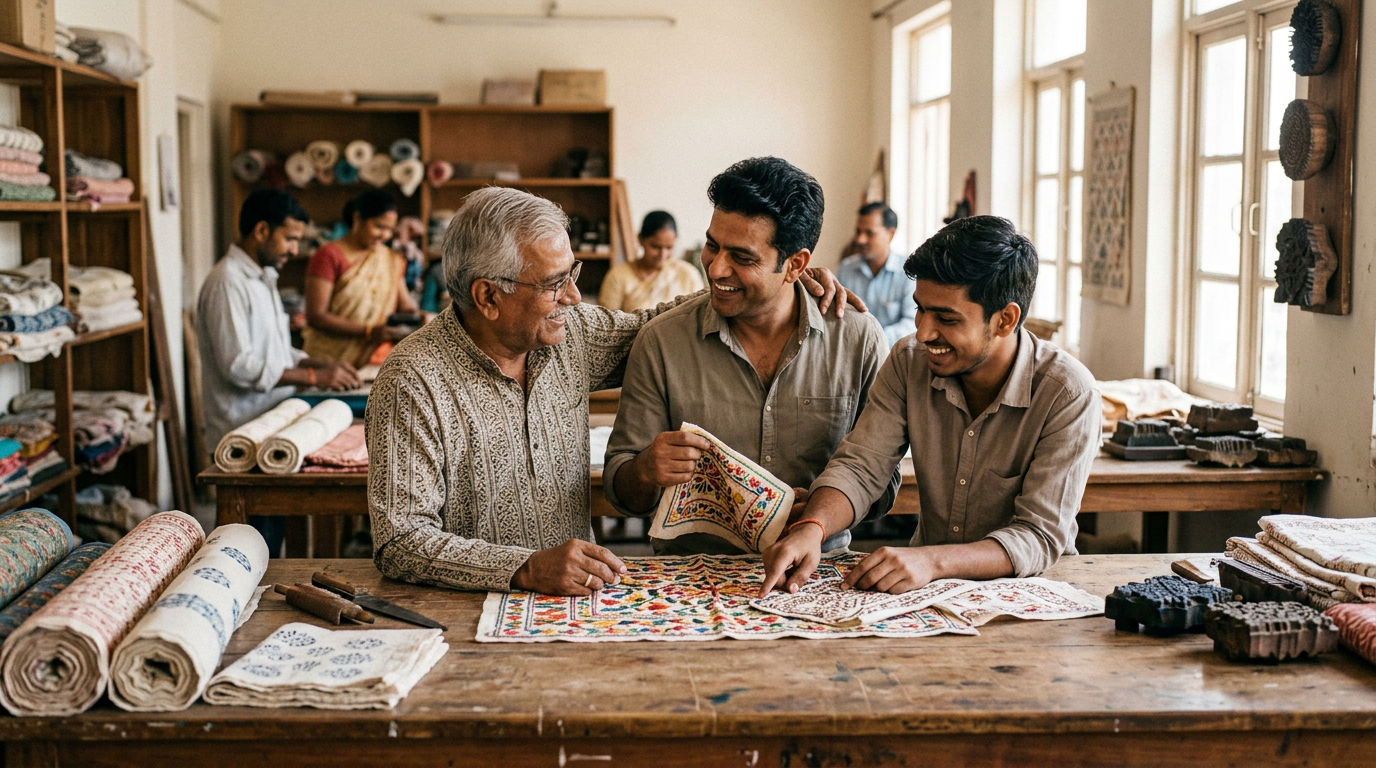
Is your family business excellent at attracting new customers, but then struggles to convert them into repeat buyers and ardent supporters? You’re not alone. Many established family enterprises find themselves caught in a costly cycle: investing heavily in acquiring new customers, only to see a significant portion become one-time purchasers. This high churn rate erodes profitability, limits word-of-mouth growth, and ultimately jeopardizes the very legacy you’re working so hard to build. You know your product or service is excellent, but how do you get customers to believe it's irreplaceable?
This dilemma isn't just about lost sales; it's about a missed opportunity to build an emotional connection. In an increasingly competitive landscape, transactional relationships are easily disrupted by the next shiny new offer. Your family's long-term success isn't built on volume alone, but on the unwavering loyalty of customers who champion your brand and choose you again and again.
Diagnostic Checklist: Why Aren't They Returning?
Before you can build loyalty, you need to understand where the gaps exist. Assess your current customer journey with these questions:
Post-Purchase Engagement: Do you have a structured process for following up after a first sale (beyond a simple thank you)? Personalization: Do you segment your customers and tailor communications or offers based on their purchase history or expressed preferences? Feedback Loop: Do you actively solicit customer feedback (surveys, reviews, direct contact) and demonstrably act on it? Value Proposition Clarity: Do your customers clearly understand the unique, ongoing value your brand provides beyond the initial product/service? Customer Service Excellence: Is your customer service consistently exceptional, resolving issues proactively and pleasantly? Community Building: Do you create opportunities for customers to feel part of your brand's community or story? Loyalty Incentives:* Do you offer any structured loyalty programs, exclusive benefits, or early access to new products for repeat customers?
If you answered 'no' or 'not consistently' to more than three of these, you have significant opportunities to strengthen customer loyalty.
The Loyalty Loop Playbook: From Transaction to Advocacy
Here’s a step-by-step approach to cultivate deep, lasting customer loyalty:
1. Map the Post-Purchase Journey
Identify every touchpoint after the initial sale. This includes delivery, onboarding, follow-up emails, potential support interactions, and future marketing messages. Where can you add value or surprise and delight your customer?
2. Implement Proactive Communication
Don't wait for problems. Send helpful tips related to their purchase, usage guides, or relevant industry insights. An automated email sequence over the first 30-90 days can be highly effective.
3. Personalize, Personalize, Personalize
Use your customer data (purchase history, demographics, stated preferences) to craft relevant offers and messages. A customer who bought gardening tools shouldn't receive offers for car parts.
4. Solicit and Act on Feedback
Send short, targeted surveys after key interactions. Monitor online reviews and social media. More importantly, show customers you're listening by communicating changes or improvements based on their input. This builds trust.
5. Reward Loyalty Explicitly
Establish a simple loyalty program. This could be points-based, tiered membership, or exclusive access to sales/events. The key is to make repeat business feel valued and special.
6. Foster Community
Create spaces (online forums, social media groups, local events) where customers can connect with your brand and each other. Share your family story and invite them to be part of it. This builds emotional connection.
Illustrative Case Study: 'Heritage Hardware'
Heritage Hardware, a third-generation family business selling artisanal tools, faced stiff competition from big-box stores. Their tools were high-quality but expensive. Initial sales were good, but repeat purchases lagged.
They implemented a loyalty program: 'The Artisan's Guild.' After a first purchase, customers received a physical welcome packet including a personalized thank-you note from the family patriarch, a small branded gift (e.g., a leather key fob), and an invitation to join an exclusive online forum. The forum offered tool care tips, project ideas, and early access to limited-edition products. Guild members also received a 10% discount on their fifth purchase and free shipping on all subsequent orders. Critically, Heritage Hardware actively engaged in the forum, answering questions and even taking product suggestions from members.
Within 18 months, their repeat purchase rate for Guild members increased by 40%, and word-of-mouth referrals grew significantly. The perceived 'high cost' was offset by the high-touch experience and sense of belonging.
Hypothetical Numerical Example: The Value of Loyalty
Let's assume your average customer spends $500 per year with your business. Without a loyalty focus, your average customer lifetime (ACL) is 2 years, meaning each customer generates $1000 in revenue.
If you implement a loyalty program and strategy that increases your ACL by just 1 year (from 2 to 3 years), the revenue generated per customer increases to $1500.
For a business with 1,000 customers, this small shift in loyalty translates to an additional $500,000 in revenue over that same period (1,000 customers * $500 additional revenue/customer).
This doesn't even account for the reduced marketing spend needed to acquire new customers or the increased revenue from referrals by loyal advocates.
Measurable KPIs and Pitfalls
Key Performance Indicators (KPIs):
Customer Retention Rate: Percentage of customers who make a repeat purchase within a defined period. Repeat Purchase Rate: Percentage of total orders that come from existing customers. Customer Lifetime Value (CLV): Total revenue expected from a customer over their relationship with your business. Net Promoter Score (NPS): Measures customer willingness to recommend your products/services. Churn Rate:* Percentage of customers who stop doing business with you.
Pitfalls to Avoid:
Inconsistency: Sporadic efforts yield sporadic results. Loyalty requires sustained commitment. Over-Automation: While automation is efficient, ensure genuine human connection is still present where it matters. Ignoring Feedback: Collecting feedback without acting on it is worse than not collecting it at all. Complicated Programs: Keep loyalty programs simple and transparent; complexity is a barrier. Focusing Solely on Discounts:* Loyalty is more than just price; it's about value, trust, and connection.
Trade-offs and When This Advice Doesn't Apply
Building deep customer loyalty requires time and resources, particularly for personalized communication and robust feedback loops. For businesses with extremely high-volume, low-margin, commoditized products where customer interaction is minimal (e.g., certain bulk B2B raw materials), the ROI on a high-touch loyalty program might be lower. However, even in these scenarios, exceptional service and clear communication of ongoing value can differentiate you.
This advice also doesn't apply if your core product or service is fundamentally flawed. You cannot build loyalty on a poor foundation. Address product quality first.
Your Seven-Day Action Plan
Day 1-2: Audit Your Post-Purchase Journey
Map out every customer touchpoint after a sale. List current communications and identify gaps. Select one critical touchpoint where you can add immediate value (e.g., a personalized welcome email).
Day 3-4: Design a Simple Feedback Mechanism
Choose one method: a short post-purchase survey (e.g., via SurveyMonkey), or a direct request for Google/Trustpilot reviews. Automate this request to go out 7-14 days after purchase.
Day 5: Plan Your First Loyalty 'Surprise'
Brainstorm a low-cost, high-impact gesture for repeat customers (e.g., a small bonus item with their next order, early access to a new product announcement via email). Identify a segment of existing repeat customers to pilot this with.
Day 6: Refine Your 'Why Us?' Story
Draft a concise statement outlining the unique, ongoing value and story your family business offers beyond the product itself. How does your heritage or values enhance the customer experience? Integrate this into your website's 'About Us' and key marketing messages.
Day 7: Schedule Your Next Steps
Block time on your calendar for the next 30 days to review initial feedback, analyze pilot program results, and plan a more comprehensive loyalty strategy. Crucially: Delegate ownership for managing customer feedback and initial loyalty outreach.
Your family legacy isn't just about what you build, but who you build it with. By turning one-time buyers into loyal advocates, you secure a foundation for enduring growth and build a community around your brand that will champion you for generations. Don't let valuable relationships slip through your fingers.
Ready to elevate your customer relationships and ensure your family business thrives for generations? Let's discuss a tailored strategy to transform your customer journey. You can reach out directly via Neeraj Kapoor's platform for a strategic consultation.
Then you are the person this room was built for. Let's keep the conversation going.
What did this stir in you?
Leave a comment. Your voice belongs here as much as anyone else's.
Loading comments…