Build a Legacy Your Next Generation Wants to Lead
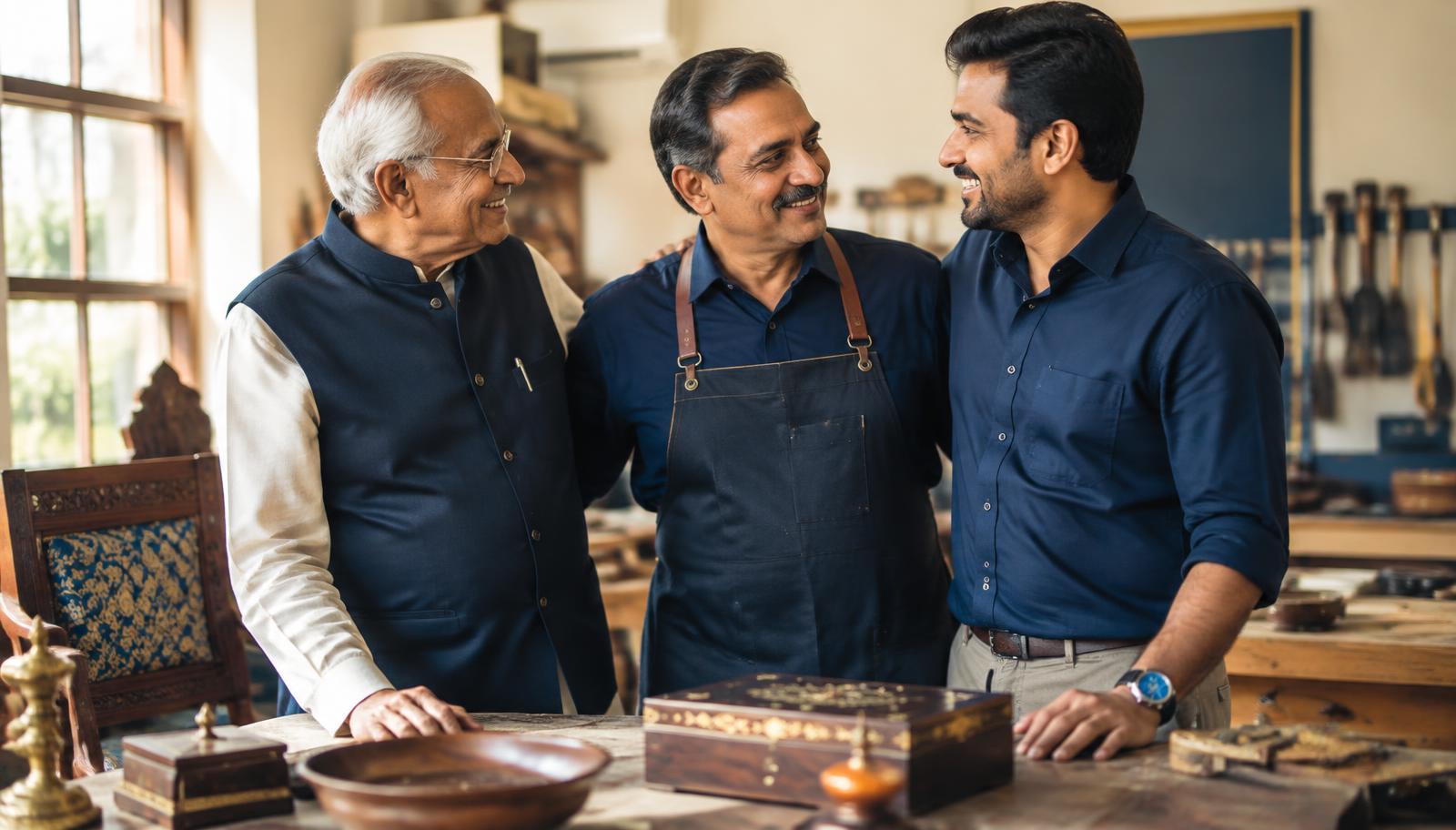
You may have spent decades building security for your family, only to discover that the next generation does not feel the same attachment to the business.
That can feel personal. You may wonder whether they appreciate the sacrifices behind the name, the factory, the relationships and the reputation.
Yet legacy cannot be transferred through guilt.
It must become a future that the next generation can believe in and help shape.
Separate inheritance from leadership
Ownership may pass through a family. Leadership must be earned through readiness, responsibility and trust.
When these two ideas are mixed together, everyone becomes uncertain. Senior family members hesitate to let go. Younger members expect authority before they have carried consequences. Long-serving professionals wonder whether merit still matters.
Create clarity early. Define what ownership means, what leadership requires, and how family members will be evaluated. Let the standards be visible before a role becomes vacant.
This is not cold corporate procedure. It is an act of care. Clear expectations protect relationships from assumptions that otherwise become resentment.
Give the next generation a real problem
A young successor rarely becomes committed by observing meetings from the corner. Commitment grows when meaningful responsibility meets genuine accountability.
Give the next generation a business problem that matters: opening a new channel, improving customer retention, modernising a product line, or building a new capability. Provide access and guidance, but do not secretly reverse every decision.
They need room to develop judgment—and the dignity of being measured by outcomes.
A successor becomes a leader when the business can feel the weight of their contribution.
A composite case: creating a bridge, not a battle
Imagine a composite family enterprise where the founder wanted his son to “learn the business,” while the son wanted to build an online channel. Their conversations kept collapsing into a false choice between tradition and change.
They reframed the assignment. The son received a defined customer segment, a modest budget and a twelve-month target. The founder became a monthly mentor rather than a daily approver. An experienced non-family executive helped review progress.
The new channel did more than produce sales. It revealed how the two generations could work together: one contributed accumulated trust, the other brought new customer behaviour into focus.
The breakthrough was not a perfect succession plan. It was a shared experience of building.
Make the family promise explicit
A generational legacy needs more than legal documents. It needs a shared answer to three questions: What do we stand for? What are we unwilling to compromise? What contribution do we want this business to make beyond our own comfort?
Write these answers together. Revisit them annually. Let them influence hiring, investment, governance and growth.
Your legacy is not the business exactly as it exists today. It is the capacity of your values to guide decisions after you are no longer making all of them.
Do not ask only whether your children are ready to inherit what you built. Ask whether you are building something meaningful enough—and open enough—for them to lead forward.
Then you are the person this room was built for. Let's keep the conversation going.
What did this stir in you?
Leave a comment. Your voice belongs here as much as anyone else's.
Loading comments…